Navigating the Future: Understanding Space Debris Risk Reduction
Learn about the growing threat of space debris and discover how OrbitalReclamation is working towards effective space debris risk reduction strategies for a sustainable future.
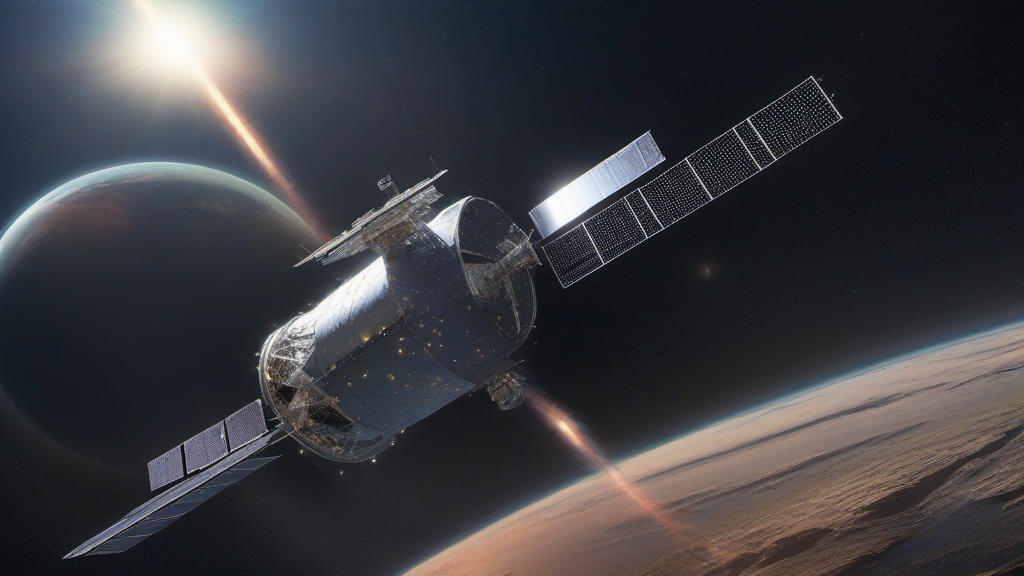
Navigating the Future: Understanding Space Debris Risk Reduction
The vast expanse of space, once a symbol of limitless possibility, now faces a growing threat: space debris. As we launch more satellites and spacecraft, the accumulation of defunct objects orbiting our planet poses a significant risk to operational spacecraft and future exploration. Understanding and mitigating this threat is crucial for ensuring the long-term sustainability of space activities.
Key Takeaways
- Space debris poses a serious threat to operational spacecraft and future space exploration due to collisions and the potential for cascading effects.
- Active debris removal technologies, responsible design practices, and international collaboration are essential for mitigating this risk.
- OrbitalReclamation is committed to developing innovative solutions for space debris mitigation.
The Growing Threat of Space Debris
Since the dawn of the space age, thousands of satellites, rockets, and spacecraft have been launched into Earth's orbit. While many missions have been successful, they have also left behind a legacy of debris – defunct satellites, spent rocket stages, and fragments from collisions. Traveling at incredibly high speeds, this debris poses a serious threat to operational spacecraft. Even small pieces can cause catastrophic damage upon impact, potentially leading to mission failures, loss of valuable assets, and endangering human lives.
Estimates suggest there are currently over 23,000 trackable objects larger than 10 centimeters in diameter orbiting Earth, along with millions of smaller fragments. This debris field presents a constant threat, increasing the risk of collisions and potentially triggering a cascading effect known as the Kessler Syndrome.
What is Space Debris?
Space debris encompasses any human-made object in orbit that no longer serves its intended purpose. This includes defunct satellites, spent rocket stages, and fragments from collisions or intentional breakups.
Types of Debris:
- Large Objects: Defunct satellites and spent rocket stages pose a significant collision threat due to their size and mass.
- Small Fragments: Micrometeoroids and fragments from collisions can cause damage even at high speeds.
Risks Associated with Space Debris
The accumulation of space debris poses multifaceted risks:
- Collision Threats: Collisions with even small pieces of debris can cause significant damage to operational spacecraft, leading to mission failures, data loss, and financial losses.
- Operational Disruptions: Debris fields can force spacecraft to maneuver to avoid collisions, disrupting planned missions and increasing operational costs.
- Long-Term Sustainability: The continuous generation of debris creates a cascading effect known as the Kessler Syndrome, where collisions generate more debris, ultimately rendering certain orbits unusable.
Space Debris Risk Reduction Strategies
Addressing these risks requires a multifaceted approach:
- Active Debris Removal: Developing technologies to capture and remove large pieces of debris from orbit is crucial for mitigating the existing debris population. This could involve robotic arms, nets, or harpoons designed to grapple with and deorbit defunct satellites.
- Design for Demise: Incorporating design features into spacecraft to ensure they safely re-enter Earth's atmosphere at the end of their mission, minimizing the risk of creating new debris.
- Traffic Management: Implementing international guidelines and best practices for satellite operations to minimize the risk of collisions. This includes responsible orbital slot allocation and collision avoidance maneuvers.
OrbitalReclamation's Commitment
OrbitalReclamation is dedicated to developing innovative solutions for space debris risk reduction. Our team is working on cutting-edge technologies, such as advanced robotic systems and sustainable design practices, to ensure the responsible use of space for generations to come. We are currently developing a prototype robotic arm system for capturing and deorbiting defunct satellites.
International Cooperation and Policy
Addressing the global challenge of space debris requires international cooperation and policy frameworks. Organizations like the Inter-Agency Space Debris Coordination Committee (IADC) provide a platform for space agencies worldwide to share information, best practices, and coordinate mitigation efforts. Establishing binding international agreements on responsible space operations, debris mitigation technologies, and liability for space debris is crucial for ensuring long-term sustainability.
The Future of Space Exploration: A Sustainable Approach
As we venture further into space, it is imperative that we adopt a sustainable approach to exploration. This means prioritizing responsible space operations, investing in debris removal technologies, and fostering international collaboration. By taking proactive steps now, we can ensure that future generations can continue to benefit from the wonders of space exploration without facing the risks posed by accumulating debris.
FAQ
What are the primary sources of space debris?
Defunct satellites, spent rocket stages, fragments from collisions, and intentional breakups of spacecraft are the main contributors.
How does OrbitalReclamation contribute to space debris mitigation?
We develop innovative technologies for active debris removal and promote sustainable design practices in the aerospace industry.
What is the Kessler Syndrome?
It's a cascading effect where collisions generate more debris, ultimately rendering certain orbits unusable.
Are there any international agreements regarding space debris mitigation?
Yes, the Inter-Agency Space Debris Coordination Committee (IADC) provides a forum for space agencies to share information and best practices.
Related Articles
(Links to other relevant articles on your website)
Conclusion
The growing threat of space debris demands immediate attention and collaborative action. By implementing effective mitigation strategies, promoting responsible space operations, and fostering international cooperation, we can ensure the long-term sustainability of space exploration for generations to come. OrbitalReclamation is committed to playing a leading role in this crucial endeavor.