Satellite Operations Safety: Ensuring Safety in Satellite Operations: A Comprehensive Guide
Learn about the critical importance of satellite operations safety, best practices, regulatory framework, and Orbital Reclamation's commitment to responsible space activities.
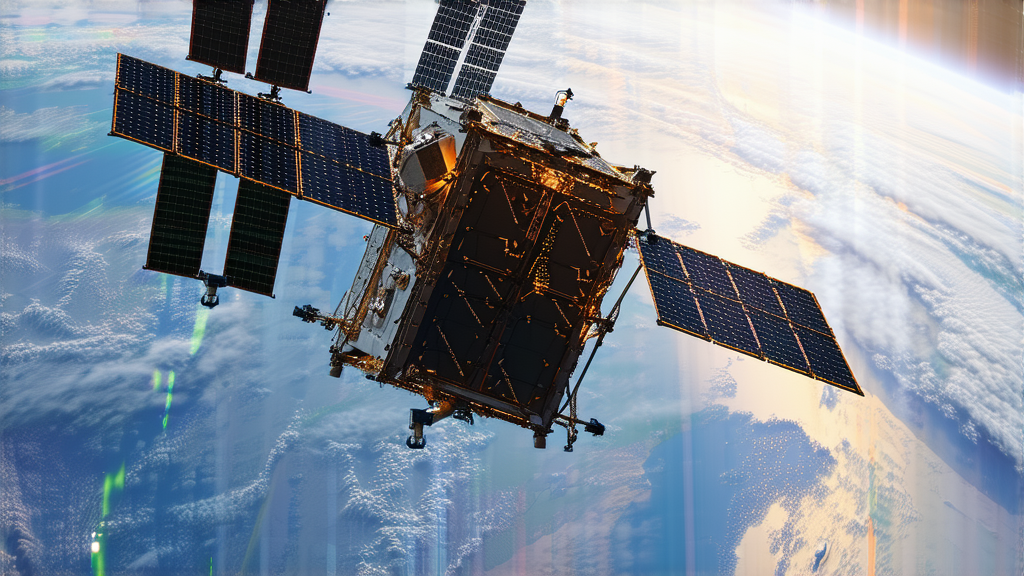
Satellite Operations Safety: A Comprehensive Guide
The vast expanse of space offers incredible opportunities for scientific discovery, communication, and technological advancement. As our reliance on satellites grows, so does the importance of ensuring their safe operation. Neglecting satellite operations safety can have catastrophic consequences, leading to collisions, debris generation, and disruption of vital services. This guide provides a comprehensive overview of the key principles, best practices, and regulatory framework surrounding satellite operations safety.
Key Takeaways
- Satellite operations safety is paramount for protecting valuable space assets and ensuring the sustainability of space activities.
- A comprehensive approach encompassing risk assessment, best practices, regulatory compliance, and technological advancements is essential.
- Orbital Reclamation prioritizes safety in all aspects of its satellite operations.
Introduction: The Critical Importance of Satellite Operations Safety
The increasing number of satellites deployed into orbit, coupled with the growing threat of orbital debris, makes satellite operations safety a critical concern for the global space community. Safeguarding these valuable assets is essential not only for protecting investments but also for ensuring the long-term sustainability of space activities.
Satellite safety is intrinsically linked to space sustainability, which encompasses responsible and ethical use of outer space resources. By adhering to best practices, international regulations, and technological advancements, we can minimize risks, prevent collisions, and preserve the space environment for future generations.
Promoting responsible space activities requires a collaborative effort among governments, industry stakeholders, and research institutions. Open communication, data sharing, and adherence to established guidelines are crucial for fostering a culture of safety and accountability in the space sector.
In practice, introduction: the critical importance of satellite operations safety works best when teams align policies with how data flows through satellite operations safety. Establish clear ownership, document access rules, and review usage patterns regularly to reduce risk and improve accountability. Key considerations include satellite safety, space sustainability, responsible space activities.
Understanding the Risks
Operating satellites in Earth's orbit presents unique challenges and inherent risks.
Orbital Debris: The increasing number of defunct satellites, spent rocket stages, and fragments from collisions contribute to a growing cloud of orbital debris. These objects pose a serious threat to operational satellites, as even small particles can cause significant damage upon impact. For example, a hypothetical constellation of communication satellites could be severely impacted by a collision with a piece of untracked debris, leading to service disruptions and potential loss of valuable assets.
Space Weather: Solar flares and coronal mass ejections release massive amounts of energy and charged particles that can disrupt satellite communications, navigation systems, and onboard electronics. Predicting and mitigating the effects of space weather is crucial for mission success. For instance, a hypothetical Earth observation satellite relying on precise radio communication could experience signal degradation or loss during a severe geomagnetic storm.
Technical Malfunctions: Complex spacecraft systems are susceptible to malfunctions due to various factors such as component failures, software glitches, or human error. Redundancy, robust design, and thorough testing are essential to minimize the risk of technical issues. A hypothetical scientific research satellite might experience a failure in its attitude control system, leading to a loss of pointing accuracy and jeopardizing data collection.
In practice, understanding the risks works best when teams align policies with how data flows through satellite operations safety. Key considerations include orbital debris, space weather, technical malfunctions.
The Role of Technology in Enhancing Safety
Technological advancements play a crucial role in mitigating risks and enhancing satellite operations safety.
Autonomous Systems: Satellites equipped with autonomous systems can perform self-diagnosis, adjust trajectories to avoid collisions, and initiate emergency procedures without human intervention. This capability is particularly valuable for missions operating in remote locations or experiencing communication delays.
Advanced Sensors: High-resolution cameras, radar systems, and laser ranging instruments provide precise tracking data on both operational satellites and potential threats such as orbital debris. Early detection of anomalies allows for timely interventions.
Simulation Tools: Sophisticated software simulations enable operators to model various scenarios, predict potential collisions, and test different response strategies in a virtual environment. This helps refine procedures and improve preparedness.
Key Principles of Safe Satellite Operations
Safe satellite operations require a multi-faceted approach that incorporates proactive planning, rigorous procedures, and continuous monitoring.
Mission Planning and Design: Careful consideration of orbital parameters, debris avoidance maneuvers, and end-of-life disposal strategies is essential during the initial design phase. Simulating potential collision scenarios and developing contingency plans helps mitigate risks. For example, a hypothetical Earth observation satellite mission might incorporate a design that allows for controlled deorbiting at the end of its operational life to minimize the risk of contributing to orbital debris.
Launch and Deployment Procedures: Precise launch trajectories, robust spacecraft separation mechanisms, and thorough pre-flight checks are critical to ensure a safe ascent and deployment into orbit. Compliance with international launch safety standards is mandatory.
Operational Monitoring and Control: Continuous monitoring of satellite health, telemetry data, and orbital position allows for early detection of anomalies and potential threats. Ground stations equipped with advanced tracking systems play a vital role in maintaining situational awareness. For example, a hypothetical constellation of communication satellites could utilize a network of ground stations to track their positions and identify any deviations from planned orbits.
In practice, key principles of safe satellite operations works best when teams align policies with how data flows through satellite operations safety. Key considerations include mission planning, launch procedures, operational monitoring.
Satellite Operations Safety Best Practices
Implementing best practices throughout the lifecycle of a satellite mission is crucial for minimizing risks and ensuring responsible space operations.
Collision Avoidance Maneuvers: Active debris avoidance maneuvers are often necessary to prevent collisions with tracked objects. Utilizing sophisticated algorithms and real-time tracking data, operators can calculate optimal trajectory adjustments to ensure safe separation distances. For instance, if the hypothetical Earth observation satellite detects a potential collision with a piece of orbital debris, its onboard systems could autonomously perform a slight orbit adjustment to avoid the threat.
Data Security and Cybersecurity: Protecting satellite systems from cyberattacks is paramount. Implementing robust cybersecurity measures, such as encryption, authentication protocols, and intrusion detection systems, safeguards sensitive data and prevents unauthorized access. For example, a hypothetical Earth observation satellite transmitting sensitive imagery data could be vulnerable to hacking attempts if proper cybersecurity protocols are not in place.
Emergency Response Plans: Comprehensive emergency response plans outline procedures for handling contingencies such as system failures, launch anomalies, or debris collisions. These plans ensure a coordinated and timely response to mitigate potential damage and protect human life. For example, a hypothetical communication satellite experiencing a power failure could rely on its emergency response plan to initiate backup systems and communicate the situation to ground control.
In practice, satellite operations safety best practices works best when teams align policies with how data flows through satellite operations safety. Key considerations include collision avoidance, data security, emergency response plans.
Regulatory Framework and Compliance
The international community has established a framework of laws and regulations to govern space activities and promote responsible behavior in orbit.
International Space Law: Treaties such as the Outer Space Treaty and the Liability Convention provide a legal foundation for space operations, addressing issues such as liability for damage, registration of space objects, and the peaceful use of outer space.
National Regulations: Individual countries often have their own national regulations governing satellite licensing, launch procedures, and debris mitigation requirements. Compliance with both international and national laws is essential.
Industry Standards: Industry organizations develop best practices and technical standards to promote safety and interoperability among satellite operators. Adhering to these standards ensures a consistent level of safety across the industry. For example, Orbital Reclamation actively participates in industry forums to contribute to the development and adoption of best practices for debris mitigation.
In practice, regulatory framework and compliance works best when teams align policies with how data flows through satellite operations safety. Key considerations include international treaties, national regulations, industry standards.
Orbital Reclamation's Commitment to Safety
At Orbital Reclamation, safety is our top priority. We are committed to upholding the highest standards of satellite operations safety throughout every phase of our missions. From meticulous design and rigorous testing to continuous monitoring and adherence to international best practices, we prioritize the well-being of our personnel, the protection of valuable space assets, and the sustainability of space activities.
Our team of experienced engineers and operators is dedicated to implementing robust safety protocols, leveraging advanced technologies, and fostering a culture of safety awareness. We actively participate in industry collaborations and regulatory initiatives to promote best practices and contribute to a safer space environment for all.
In practice, orbital reclamation's commitment to safety works best when teams align policies with how data flows through satellite operations safety. Key considerations include Orbital Reclamation, safety culture, responsible innovation.
FAQ
What are the biggest threats to satellite safety? Orbital debris, space weather events, and technical malfunctions pose significant threats to satellite safety.
How does Orbital Reclamation ensure the safe operation of its satellites? Orbital Reclamation adheres to strict safety protocols, utilizes advanced technologies for monitoring and collision avoidance, and maintains a strong commitment to regulatory compliance.
What regulations govern satellite operations? International treaties such as the Outer Space Treaty, national regulations, and industry standards govern various aspects of satellite operations, including licensing, debris mitigation, and liability.
What role does technology play in enhancing satellite safety? Technologies such as autonomous systems, advanced sensors, and simulation tools play a crucial role in improving situational awareness, enabling proactive risk management, and enhancing operational efficiency.
Related Articles
Conclusion
Ensuring the safety of satellite operations is paramount for protecting valuable space assets, preserving the integrity of the space environment, and enabling continued exploration and innovation. By embracing a comprehensive approach that incorporates risk assessment, best practices, regulatory compliance, and technological advancements, we can foster a sustainable future for space activities. Orbital Reclamation remains dedicated to upholding the highest standards of safety in all our endeavors.