Navigating Orbital End-of-Life Management: A Comprehensive Guide
Learn about the importance of orbital end-of-life management and explore strategies for mitigating space debris.
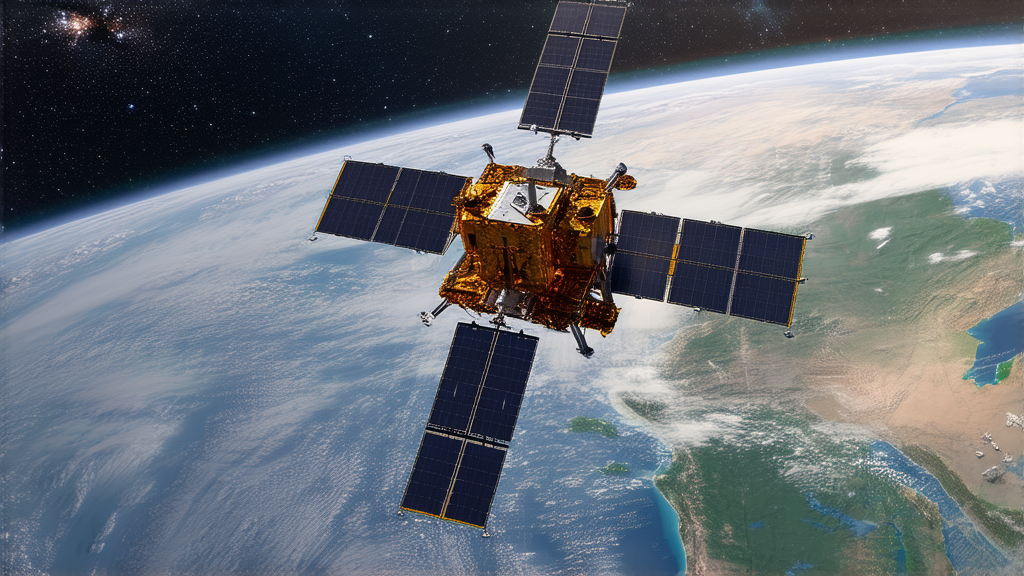
Navigating Orbital End-of-Life Management: A Comprehensive Guide
The vast expanse of space faces a growing threat: orbital debris. As the number of satellites and spacecraft increases, so does the risk of collisions and a dangerous cascade effect known as Kessler Syndrome. This accumulation poses a significant challenge to ongoing and future space exploration, making responsible orbital end-of-life management crucial for ensuring long-term sustainability.
Key Takeaways
- Space debris threatens operational satellites and future space exploration.
- Effective orbital end-of-life management is essential for the long-term sustainability of space activities.
- A combination of strategies, including controlled deorbiting, active debris removal, and international cooperation, is necessary.
- Technological advancements continue to drive innovation in this field.
The Growing Challenge of Space Debris
The proliferation of satellites has led to a dramatic increase in orbital debris. Defunct satellites, spent rocket stages, and collision fragments pose a significant threat to operational spacecraft. Even small pieces traveling at high speeds can cause catastrophic damage upon impact. This risk is compounded by the rise of mega-constellations, which significantly increase the density of objects in low Earth orbit.
Collisions can have devastating consequences, disabling or destroying valuable assets and generating additional fragments. The increasing number of satellites, coupled with the lack of a comprehensive space debris removal infrastructure, makes this a pressing global concern.
Understanding Orbital End-of-Life Management
Orbital end-of-life management encompasses all activities associated with the safe and responsible disposal of spacecraft at the end of their operational life. This includes planning for satellite deorbiting, debris mitigation, and adherence to international guidelines.
"End-of-life" varies depending on a satellite's mission and design, usually referring to when it can no longer perform its function or poses an unacceptable risk. International organizations like the UN Committee on the Peaceful Uses of Outer Space (COPUOS) have developed guidelines for responsible space operations, including best practices for spacecraft design, launch procedures, and end-of-life spacecraft disposal. Adhering to these guidelines is crucial for ensuring long-term sustainability.
Orbital End-of-Life Management Strategies
Effective orbital end-of-life management encompasses a range of strategies designed to minimize the risk posed by defunct spacecraft:
- Controlled Deorbiting: Guiding satellites out of orbit at the end of their operational life, ensuring they burn up harmlessly in the Earth's atmosphere. This involves precisely calculating trajectories and using onboard propulsion systems or aerodynamic drag to guide the satellite towards a controlled reentry.
- Active Debris Removal: Developing technologies to capture and remove existing debris from orbit, mitigating the risk of collisions. This can involve robotic arms, nets, harpoons, or other innovative methods to grapple with and deorbit large debris objects.
- Design for Demise: Incorporating design features that promote natural degradation or controlled breakup upon reentry. This includes using materials that burn up easily in the atmosphere and designing structures that break apart predictably.
Technological Innovations in Debris Mitigation
Continuous technological advancements are key to developing innovative solutions for orbital debris mitigation:
- Advanced Propulsion Systems: Miniaturized and highly efficient propulsion systems enable precise maneuvering and controlled deorbiting, allowing satellites to make targeted adjustments to their trajectories.
- Robotic Arms and Grappling Mechanisms: Essential tools for active debris removal missions, capable of capturing and manipulating large and irregularly shaped objects in space.
These technologies are constantly evolving, with ongoing research exploring new materials, propulsion methods, and robotic capabilities.
The Role of International Cooperation
Addressing the challenge of orbital debris requires a concerted global effort. International cooperation is essential for establishing common standards, sharing data, and coordinating mitigation strategies.
Organizations like the UN Committee on the Peaceful Uses of Outer Space (COPUOS) play a vital role in fostering dialogue and developing guidelines for responsible space operations. Collaborative initiatives, such as space situational awareness programs and joint debris removal missions, are crucial for ensuring the long-term sustainability of space activities.
Data sharing is paramount to accurately track debris and predict potential collisions. Open communication channels allow nations to coordinate avoidance maneuvers and share best practices.
Economic Considerations and Sustainability
The economic implications of orbital debris are significant, both in terms of potential damage to assets and the cost of mitigation efforts. A long-term perspective is essential for ensuring sustainability.
- Cost-Benefit Analysis: Evaluating the feasibility and effectiveness of different strategies by weighing implementation costs against potential losses. This involves considering the cost of developing and deploying technologies, as well as the economic impact of satellite failures or collisions.
- Long-Term Viability: Investing in research, development, and international cooperation is crucial for mitigating risks and preserving the benefits of space for future generations.
A proactive approach to orbital end-of-life management can prevent costly damage and ensure the continued accessibility of space.
Looking Ahead
As our reliance on space-based technologies continues to grow, so too does the importance of responsible orbital end-of-life management. Future efforts will likely focus on:
- Developing more sophisticated active debris removal technologies.
- Implementing stricter international regulations and guidelines for spacecraft design and operation.
- Promoting greater transparency and data sharing among spacefaring nations.
Through continued innovation, collaboration, and a commitment to sustainability, we can ensure that the benefits of space exploration are enjoyed by generations to come.