Orbital Debris Mitigation: Safeguarding Our Space Future
Learn about the challenges of orbital debris mitigation and how OrbitalReclamation is working to ensure a sustainable future in space.
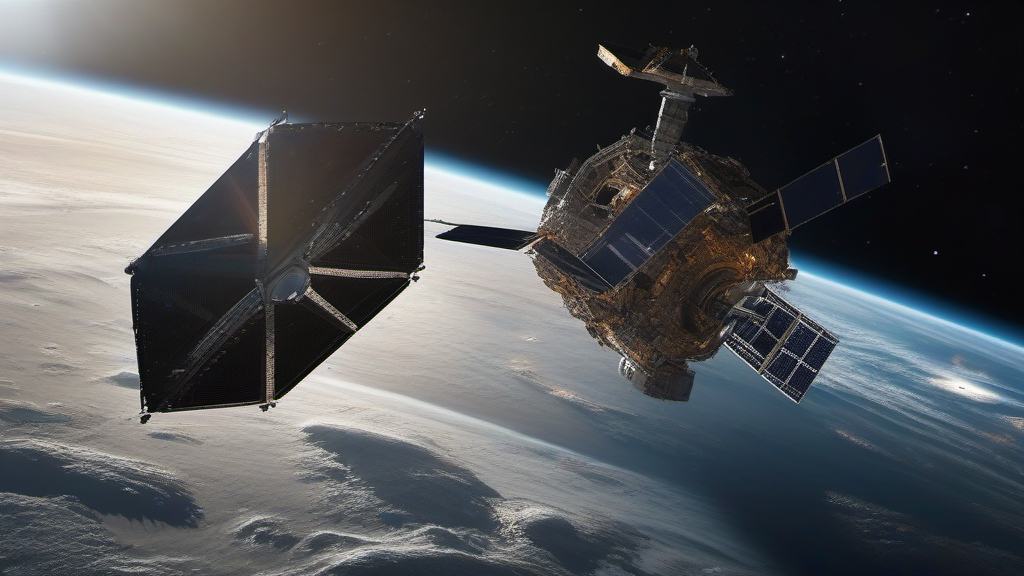
Orbital Debris Mitigation: Safeguarding Our Space Future
Orbital Debris Mitigation: A Guide to Protecting Our Future in Space
Welcome to OrbitalReclamation's comprehensive guide on orbital debris mitigation. As humanity ventures further into space, the issue of orbital debris becomes increasingly critical. This guide aims to provide a clear understanding of the challenges posed by orbital debris and the innovative solutions being developed to address them.
Key Takeaways
- Orbital debris poses a significant threat to satellites and spacecraft, jeopardizing our access to space-based services.
- A multi-pronged approach is needed, combining active debris removal technologies with passive mitigation strategies.
- International cooperation and policy are essential for effective orbital debris management.
- OrbitalReclamation is committed to developing cutting-edge solutions for a sustainable future in space.
The Growing Threat of Orbital Debris
The Earth's orbit is becoming increasingly congested with defunct satellites, spent rocket stages, and fragments from collisions. This growing cloud of space junk, often referred to as orbital debris, poses a serious threat to operational spacecraft. As more objects are launched into orbit, the risk of satellite collisions increases exponentially. Even small pieces of debris can travel at incredibly high speeds, capable of inflicting catastrophic damage upon impact.
Consider the hypothetical scenario of the "Cosmos-2251" incident in 2009, where a defunct Russian satellite collided with an active Iridium communications satellite, generating thousands of new debris fragments. This event highlighted the vulnerability of our space infrastructure and the urgent need for proactive mitigation strategies.
Understanding the Causes of Orbital Debris
Orbital debris originates from various sources, including:
- Explosions: Accidental or intentional explosions of satellites and rockets release numerous fragments into orbit.
- Fragmentation events: Collisions between objects in orbit generate additional debris, creating a cascade effect known as the Kessler Syndrome. This phenomenon highlights the urgent need for proactive mitigation strategies. For example, a collision between two large satellites could potentially create a chain reaction, leading to an exponential increase in debris and rendering certain orbits unusable.
- Spacecraft: Spent rocket stages, discarded payload fairings, and other mission-related components contribute to the debris population.
Orbital Debris Mitigation: A Multi-Pronged Approach
Addressing the orbital debris problem requires a comprehensive approach that combines several strategies:
- Active debris removal: Technologies designed to capture or destroy existing debris objects in orbit.
- Passive debris mitigation: Design and operational practices aimed at minimizing the creation of new debris. This includes adhering to international guidelines for responsible space operations.
Active Debris Removal Technologies
Several innovative technologies are being developed for active debris removal, including:
- Capture and deorbiting: Robotic arms and nets can be used to capture large debris objects and guide them into a controlled re-entry into the Earth's atmosphere. Hypothetical missions like the "CleanSpace One" project by the European Space Agency aim to demonstrate this technology in the near future.
- Laser ablation: Powerful lasers can be used to vaporize small debris particles, reducing their orbital lifetime. This method is still under development but shows promise for addressing smaller debris populations.
- Space tugs: These spacecraft are designed to rendezvous with and deorbit defunct satellites or other large debris objects. For example, the hypothetical "RemoveDEBRIS" mission by Astroscale successfully demonstrated a harpoon capture mechanism in 2018.
Passive Debris Mitigation Strategies
Passive mitigation strategies focus on preventing the creation of new debris in the first place:
- Design for demise: Spacecraft can be designed to break apart safely upon re-entry into the Earth's atmosphere, minimizing the risk of creating new debris.
- Shielding: Protecting critical spacecraft components from micrometeoroids and orbital debris impacts.
- Hardening: Designing spacecraft structures and systems to withstand potential collisions with small debris particles.
International Cooperation and Policy
Effective orbital debris management requires global cooperation and coordination. International organizations like the United Nations Office for Outer Space Affairs (UNOOSA) play a crucial role in:
- Establishing space debris guidelines and best practices for space operations.
- Promoting international dialogue and collaboration on debris removal technologies.
- Monitoring the debris environment and sharing data with member states.
For example, UNOOSA's "Space Debris Mitigation Guidelines" provide recommendations for spacecraft design, launch procedures, and end-of-life disposal to minimize the generation of new debris.
Orbital Debris Mitigation: The Role of OrbitalReclamation
OrbitalReclamation is dedicated to developing and deploying innovative solutions for orbital debris mitigation. Our team of engineers and scientists is working on cutting-edge technologies that will help ensure the long-term sustainability of space activities. We believe in a future where space exploration can continue safely and responsibly for generations to come.
FAQ
- What is the biggest danger of orbital debris?
Collisions with even small pieces of debris can cause catastrophic damage to operational satellites, leading to mission failures and the loss of valuable assets.
- How does OrbitalReclamation contribute to orbital debris mitigation?
OrbitalReclamation develops and deploys innovative technologies for the active removal of orbital debris, helping to ensure the long-term sustainability of space activities.
- What are some examples of active debris removal technologies?
Examples include robotic arms, nets, harpoons, and laser ablation systems designed to capture or break down debris objects in orbit.
- Are there any international regulations regarding space debris?
Yes, international organizations like the United Nations Office for Outer Space Affairs (UNOOSA) work to establish guidelines and best practices for responsible space operations and debris mitigation.
Related Articles
[Link to related articles on OrbitalReclamation's website]
Conclusion
The challenge of orbital debris requires a collaborative global effort. By embracing innovative technologies, adhering to international guidelines, and fostering continued research and development, we can safeguard our access to the benefits of space exploration for generations to come.